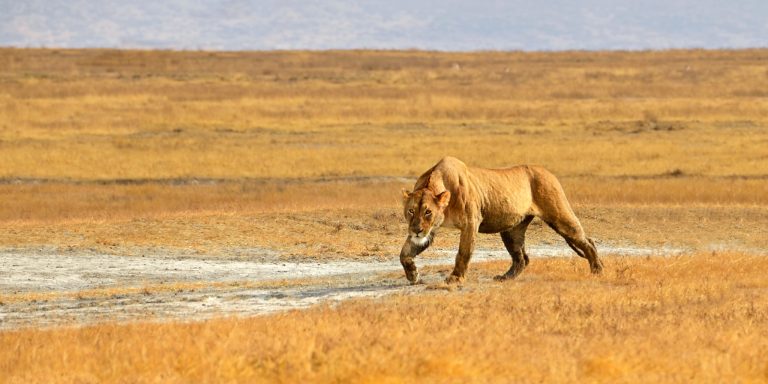
Ngorongoro Crater, often referred to as the “Eighth Wonder of the World,” is a breathtaking natural feature located in northern Tanzania. This massive volcanic caldera is a UNESCO World Heritage Site and one of Africa’s premier wildlife destinations.
A Geological Marvel
The Ngorongoro Crater was formed approximately two to three million years ago when a massive volcano collapsed. The resulting caldera, covering about 260 km², is the largest intact and unfilled volcanic caldera in the world. With steep walls rising 600 meters, the crater creates a natural enclosure for diverse ecosystems and abundant wildlife.
A Wildlife Paradise
The crater is home to over 25,000 large animals, making it one of the densest concentrations of wildlife in Africa. Visitors can expect to see the Big Five: lions, leopards, elephants, buffaloes, and the critically endangered black rhino. The crater’s grasslands and swamps are also home to wildebeests, zebras, gazelles, and hippos.
The birdlife is equally impressive, with over 500 species recorded. Flamingos are often seen on Lake Magadi, a soda lake within the crater, creating a striking pink contrast against the blue water.
Unique Ecosystem
Ngorongoro Crater’s diverse habitats include grasslands, forests, wetlands, and lakes. This variety supports an incredible range of species, making it an ecological hotspot. The Lerai Forest, for example, provides shelter for elephants and other forest dwellers, while the open plains are perfect for predators like lions and cheetahs.
Accessibility and Best Time to Visit
The Ngorongoro Crater is located in northern Tanzania, within the Arusha Region. It is part of the larger Ngorongoro Conservation Area, which is adjacent to Serengeti National Park. The crater is easily accessible by road or air, with many safari operators including it in their northern circuit itineraries.
The best time to visit is during the dry season, from June to October, when wildlife is easier to spot around water sources. However, the green season, from November to May, offers lush landscapes and excellent birdwatching opportunities.
Activities and Experiences
Ngorongoro Crater offers a variety of activities for visitors:
- Game Drives: Explore the crater floor and its incredible wildlife.
- Birdwatching: Spot flamingos, raptors, and a variety of other bird species.
- Cultural Tours: Visit nearby Maasai villages to learn about their traditions and lifestyle.
- Hiking: Explore the surrounding highlands for stunning views of the crater.
Conservation and Cultural Heritage
The Ngorongoro Conservation Area is unique in balancing wildlife conservation with the needs of the indigenous Maasai people, who have lived in harmony with the environment for centuries. Visitors can witness this coexistence, gaining insight into the Maasai’s rich cultural heritage.
Plan Your Visit
Ngorongoro Crater is a must-visit destination for anyone exploring Tanzania. Its unique geological features, incredible wildlife, and cultural significance make it a once-in-a-lifetime experience. Whether you’re a wildlife enthusiast, a photographer, or simply a lover of nature, the crater promises unforgettable memories.
Embark on a journey to Ngorongoro Crater and discover one of the world’s most extraordinary natural wonders.